Premium Food Group farmers: abandonment of rainforest soy by the end of 2022
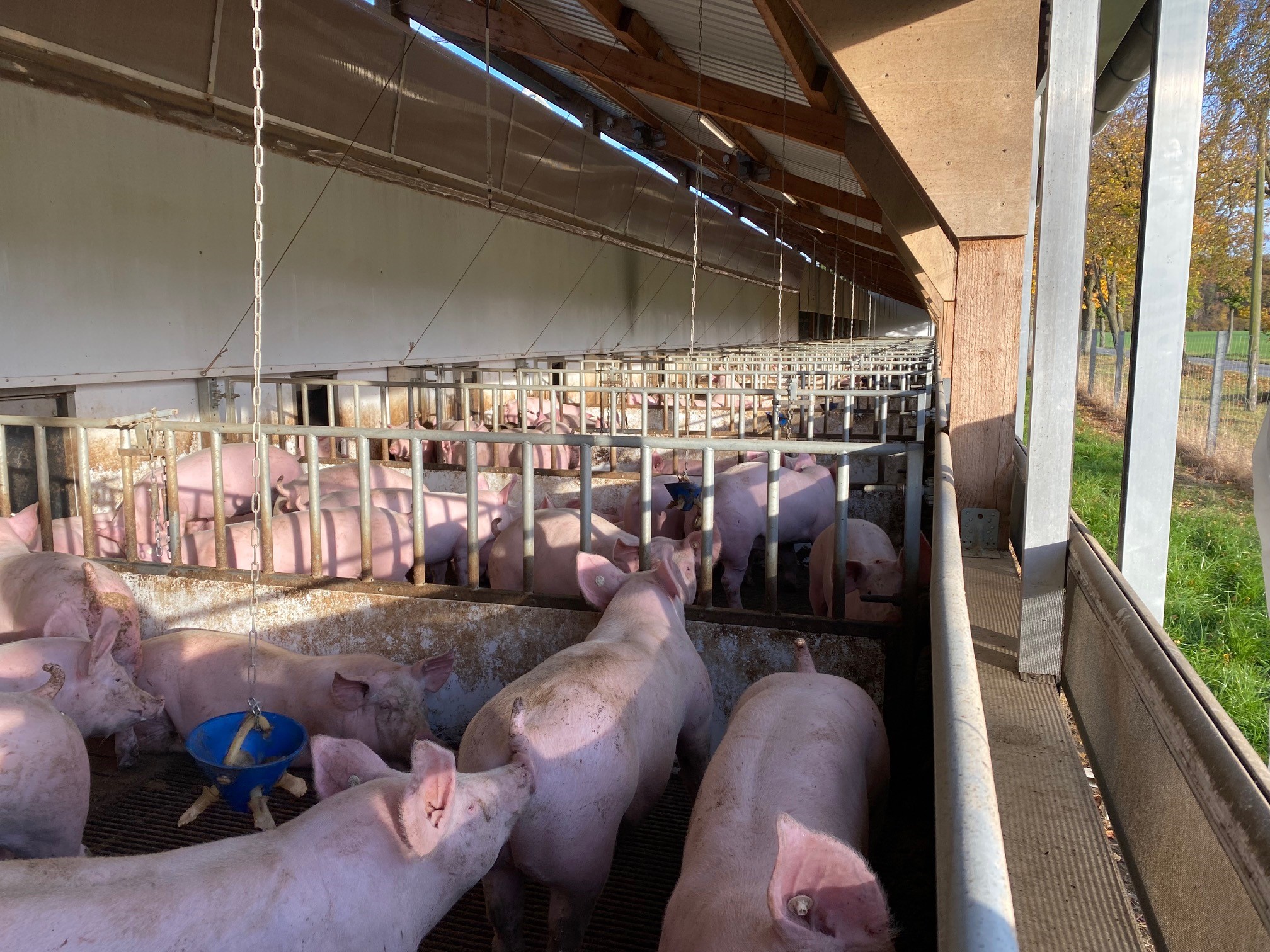
Food producer Premium Food Group is taking the next step in its sustainability strategy: From the end of 2022, food producer Premium Food Group will rely on the use of exclusively sustainable protein feeds when feeding pigs in Germany. “The complete renunciation of soy from rainforest areas and valuable savannahs in South America is one of our contributions to saving important, ecological resources for the world and the climate”, explains Clemens Tönnies.
“With a comprehensive package of measures and the use of predominantly native protein crops in animal feed, we are making our contribution to further advancing the sustainability of our food production.” With this step, Premium Food Group is continuing its development in this area, which began in 2017 with the “Toniso” feeding concept. As a result, the use of soy in feeding has been reduced by 25 percent over the past four years.
In cooperation with leading feed manufacturers, the Rheda-Wiedenbrück-based family business is now working on alternative solutions to use only sustainable soy for feeding in the future and to strengthen the use of domestic protein crops. From the end of 2022, Premium Food Group will then no longer accept pigs from Germany that have been fed soy from rainforest areas. “The switch to sustainable protein feeds is imperative. Constructive discussions with the feed industry have reinforced our approach that the switch to rainforest-free soy is possible,” adds Dr. Wilhelm Jaeger, head of Premium Food Groups’ agricultural department.
The additional costs that may arise in the process are to be generated for the farmers through the sale of the meat products. “It is essential that we involve our agricultural producers in this next step of our sustainability strategy in order to drive the necessary transformation,” emphasizes Clemens Tönnies.
The renunciation of rainforest soy is another building block in the company’s T30 sustainability strategy. Premium Food Groups’ benchmark is to produce food sustainably. “To do this, we close loops and work in a way that conserves resources,” says the company.
Background:
Growing soy in a diverse crop rotation is fundamentally positive. As a legume, the plant is able to enrich the soil’s nitrogen balance and soil life. Soybean cultivation is unacceptable if it destroys rainforests and grasslands and creates large monocultures. Since 1960, the global area under soybean cultivation has quadrupled to 100 million hectares worldwide, with dramatic negative consequences for people and the environment. By virtue of its market position, Premium Food Group sees itself as having a responsibility to point out and itself pursue paths to sustainability.


