Premium Impact Report
Premium Impact Report
We’re shaping the food of tomorrow – responsibly and with a clear focus on continuous improvement. Our ambition is to reduce our environmental impact through measurable action across our operations and value chain.


On Transformation
Premium Food Group has its roots in meat production. Over the years, the Group has evolved into a diversified food company, expanding its expertise and product portfolio across different areas of the food value chain. Today, we combine our experience in food production with a focus on balanced nutrition and the continuous improvement of our environmental performance.
Our areas of focus
Our approach focuses on three key areas: reducing greenhouse gas emissions, animal welfare and social responsibility.
Climate protection & resources
Our greenhouse gas emissions reduction targets
Greenhouse gas emissions from our own operations
For example, emissions from heating systems and electricity use
Other indirect greenhouse gas emissions
Emissions from agriculture
Renewable Energy & Energy Efficiency
We currently source 20% of the electricity used at our German sites from hydropower. Since 2025, our sites in Poland and the UK have sourced 100% of their electricity from renewable sources.

Making better use of resources and reducing waste
Making more complete use of raw materials is an important part of our approach to reducing waste. Through whole-animal utilisation, we use more than 98% of each animal for food and other applications.
Feed Strategy
Deforestation-free soy and local soy alternatives, TONISO
Agriculture accounts for a substantial share of the greenhouse gas emissions in our value chain and is therefore an important focus of our emissions reduction efforts. Since January 2024, we have been using certified deforestation- and conversion-free soy in relevant animal feed supply chains. This helps us to reduce the land-use change emissions associated with the soy we source.
Further information on the supply chain models accepted under QS Soyplus and the applicable requirements is available here.
Find out which supply chain models QS Soja Plus accepts – and why – right here.

Deforestation-free Soy
Since 2017, Premium Food Group has worked with its agricultural partners to reduce the use of soy in pig feed through the TONISO feeding concept. The approach has reduced soy use by approximately 30% compared with 2015
QS-Climate-Platform
To better understand and measure greenhouse gas emissions from agricultural production, we are working with our farmers to collect primary data directly from farms. In 2023, Premium Food Group developed the prototype for the Climate Platform Meat. This initiative has since evolved, together with industry partners and QS, into an industry-wide solution for collecting and assessing climate data from farms.
Animal-Welfare &
Transparency
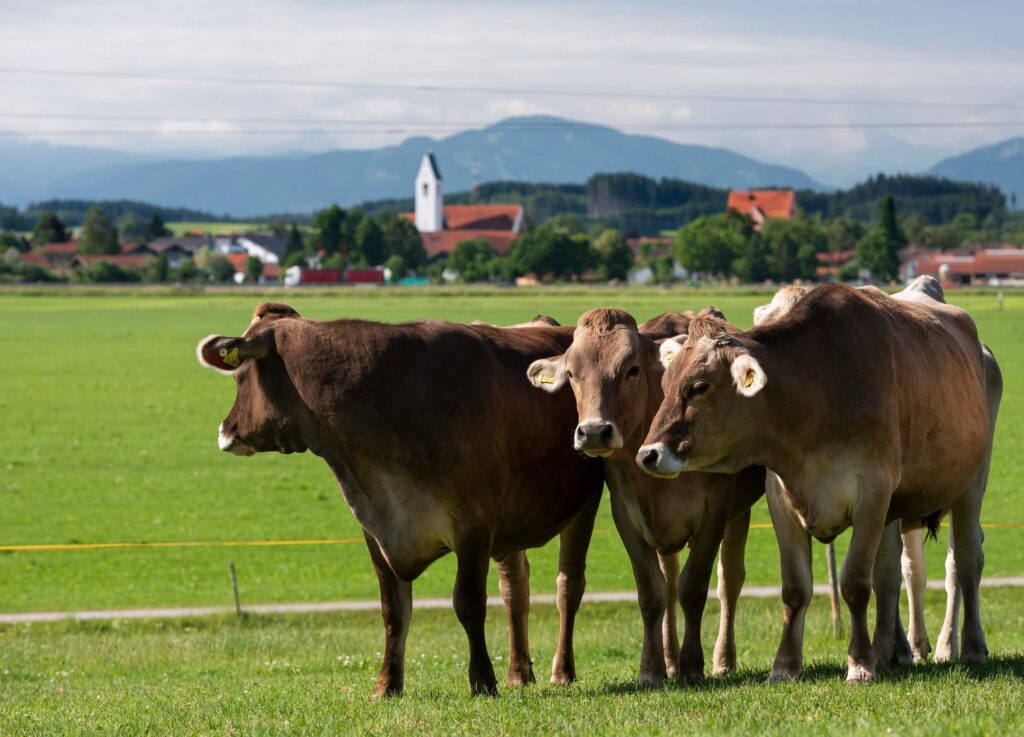
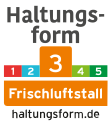
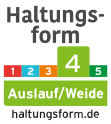
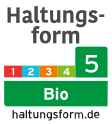
Premium Food Group is working to increase the share of animals sourced from farming systems with animal welfare requirements that go beyond the statutory minimum.
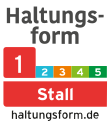
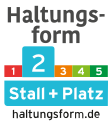
Currently, 54% of the pigs supplied to us come from farming systems classified as levels 2 to 4, including organic farming. More than half of the cattle supplied to us also come from farming systems with requirements that go beyond the statutory minimum.
Livestock logistics
Better planning through GPS tracking
Careful transport planning plays an important role in livestock logistics. Our aim is to plan and monitor journeys more effectively, with a particular focus on animal welfare and efficient transport operations.
By the end of the year, we aim to have GPS tracking in place for 80% of the livestock transport commissioned by Premium Food Group, compared with 71% currently. GPS-based tracking provides greater visibility of livestock journeys and helps us to monitor transport operations more closely.
Research and innovation
in livestock farming

Tönnies Forschung, a non-profit research organisation, initiates and supports research projects aimed at improving livestock farming, with a particular focus on animal welfare, climate and environmental protection, nature conservation, consumer protection and healthy nutrition.
Each year, Tönnies Forschung provides between €200,000 and €400,000 in research funding. To date, more than €3.4 million has been provided to support research projects.
People & Society
Premium Food Group employs around 21,000 people from more than 50 countries.
Our sites undergo regular independent audits using the SMETA 4-Pillar methodology, which covers labour standards, health and safety, environmental practices and business ethics. Currently, 72% of our sites worldwide are covered by SMETA 4-Pillar audits.


Outlook & further development
Premium Food Group is committed to producing high-quality food while preparing our business for the challenges of the future. This ambition continues to guide our development.
As one of the largest food producers in Germany and Europe, we recognise the impact of our operations and value chain. That is why we are working to reduce greenhouse gas emissions, use resources more efficiently and address our responsibilities towards people and animals.