Tönnies Forschung: Securing sustainable meat production in Germany
The Food and Agriculture Organization of the United Nations (FAO) expects global demand for meat to increase by around 20 percent by 2050, while consumption in Europe is projected to remain at a stable level. Against this backdrop, the key question is no longer whether meat production will grow, but where this future production will take place. At the 7th Tönnies Forschung Symposium in Berlin, experts agreed that countries with high environmental and animal welfare standards bear a particular responsibility — and that Germany is exceptionally well positioned to assume this role.
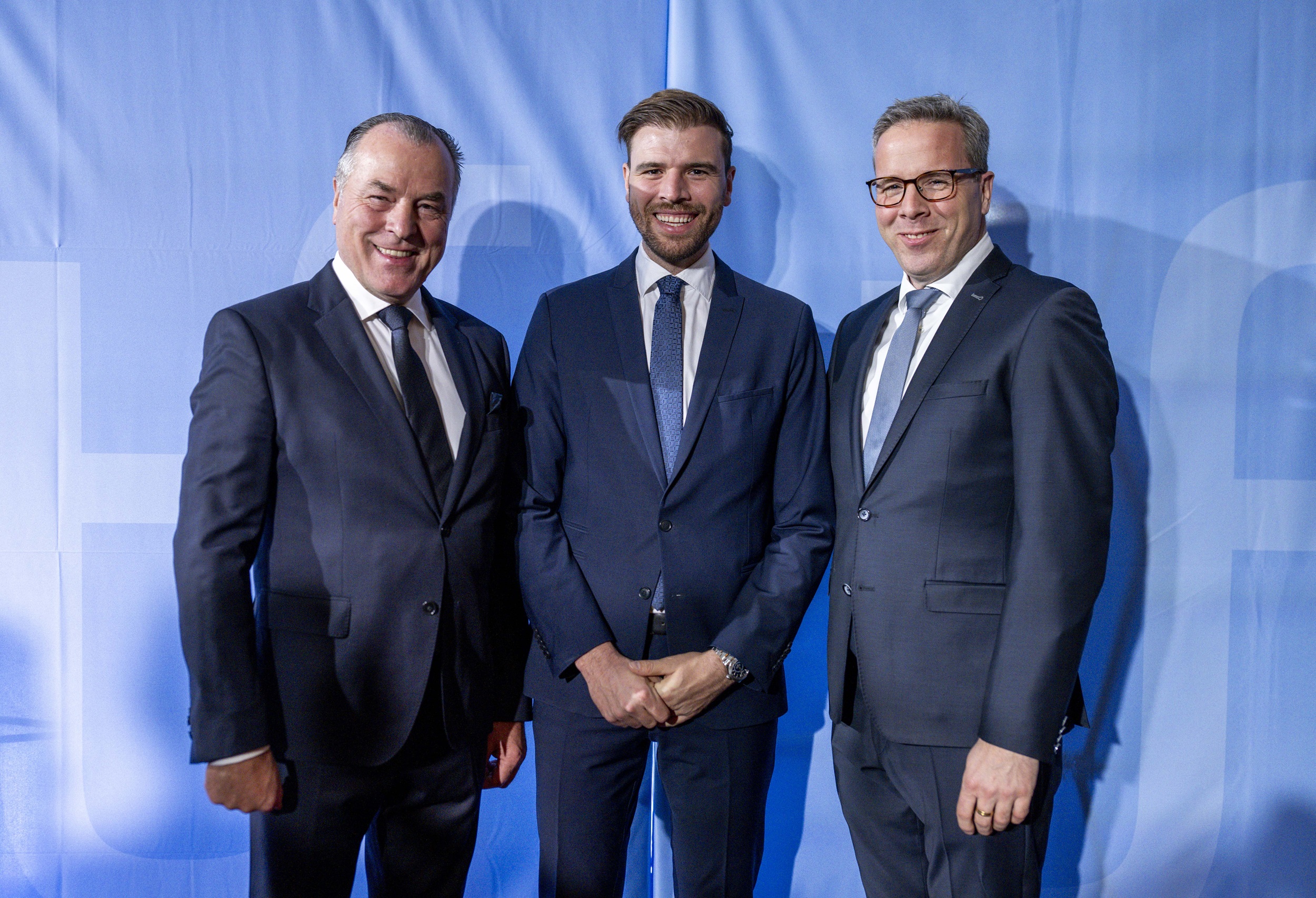
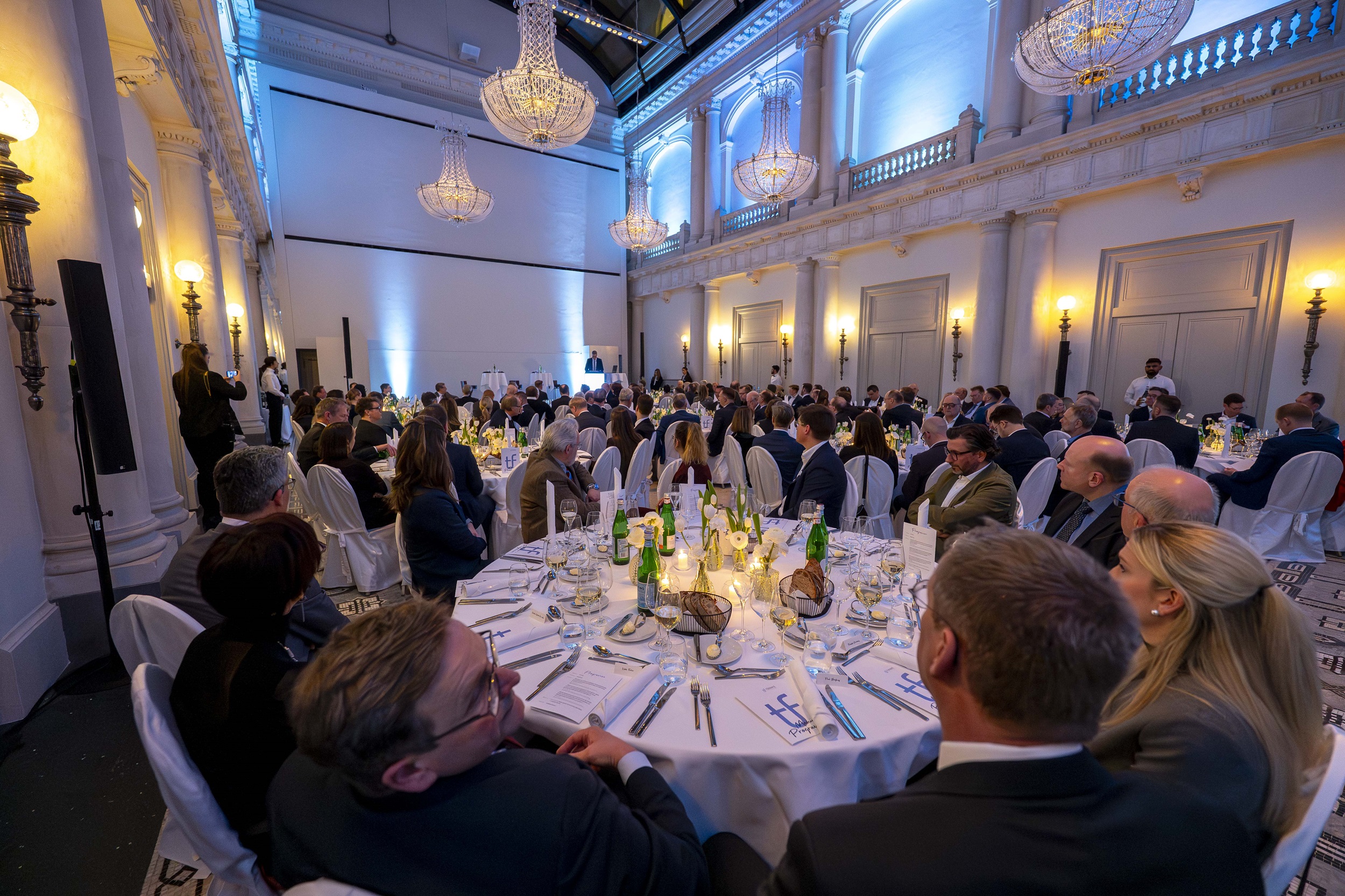
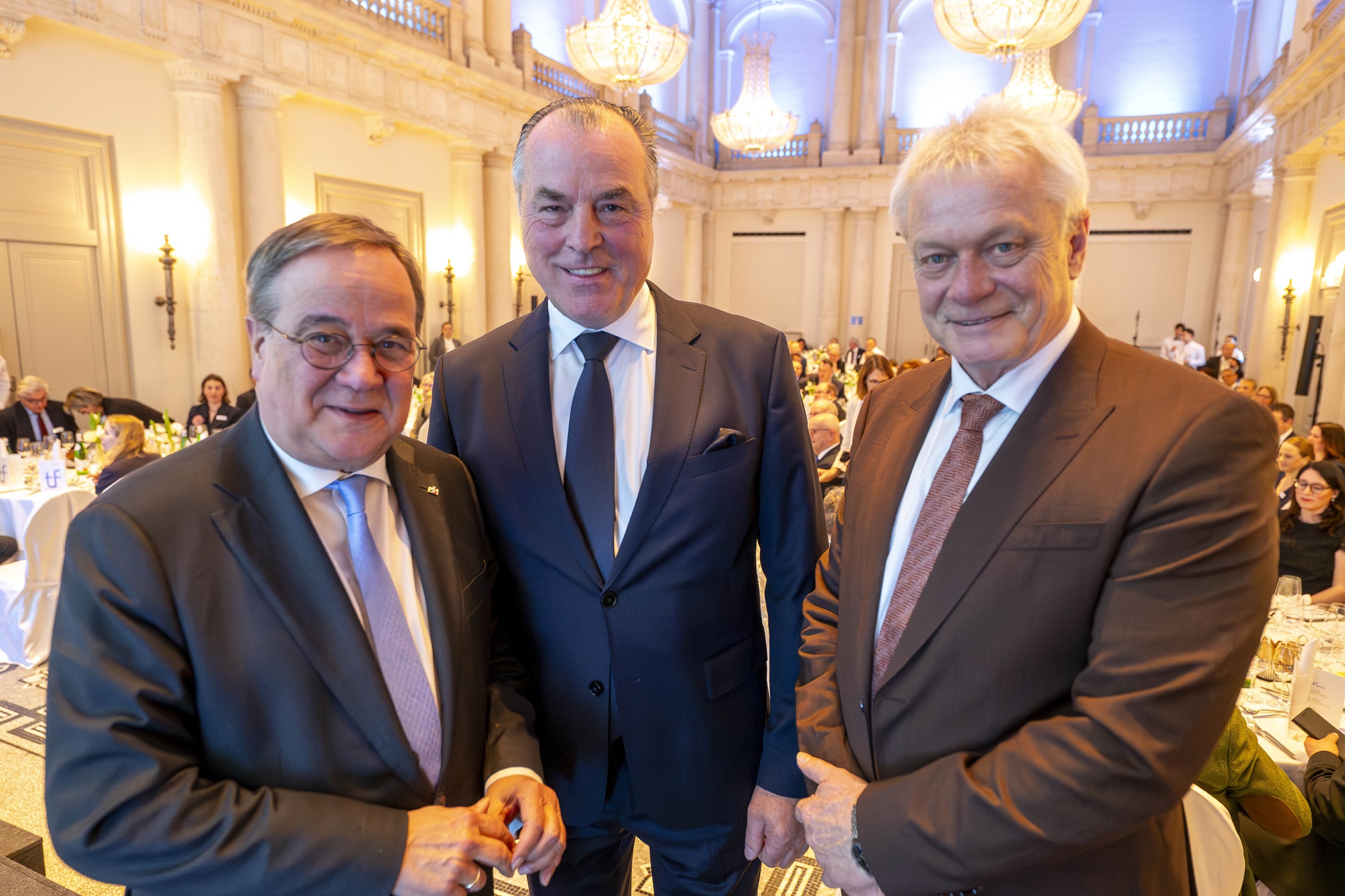
More than 160 representatives from politics, industry, trade, and agriculture accepted the invitation of Tönnies Forschung gGmbH, the non-profit research platform of the Premium Food Group. Among the guests were Federal Minister of Food and Agriculture Alois Rainer and Armin Laschet, Chairman of the Foreign Affairs Committee of the German Bundestag. The two-day event focused on how livestock farming in Germany can continue to evolve without setting climate targets, societal expectations, and economic viability against one another.
There was broad consensus that Germany possesses deep expertise, highly efficient structures, and internationally recognized standards in animal welfare and sustainability. These strengths should not only be preserved but strategically expanded. “We invest in animal welfare and sustainability out of conviction,” said Robert Tönnies, shareholder of the Premium Food Group, in his opening address. He cited the expanded curly-tail premium for animals in husbandry systems levels 2 and 3, as well as the newly introduced health bonus, as concrete examples. Both initiatives underscore the ambition to secure Germany’s position as a high-performing and responsible production location in the long term. Relocating livestock farming abroad would neither benefit the climate nor improve animal welfare — on the contrary, it would have adverse effects.
Tönnies Forschung aims to unlock additional sustainability potential
German agriculture has made significant progress in recent years — both in improving housing conditions and in reducing greenhouse gas emissions. To continue on this path, Tönnies Forschung is committed to advancing existing systems and unlocking additional sustainability potential through a wide range of projects. However, one thing is clear: scientific work alone is not sufficient. What is crucial are reliable and long-term political frameworks.
Federal Minister of Food and Agriculture Alois Rainer emphasized this point, stating: “I have been working on reliability and trust since day one as Federal Minister.” Trust, he noted, is also a key factor in international trade. “‘Made in Germany’ is a hallmark of quality. We can promote it worldwide,” Rainer said. In light of growing global meat consumption, he sees major opportunities for the German food industry. “Global meat consumption is increasing and therefore offers many opportunities for the German food sector. This is why we support the industry through our agricultural export strategy.”
“We must continually remind ourselves of the availability of food”
Armin Laschet drew attention to the strategic importance of domestic food security. Particularly in times of crisis — such as during the COVID-19 pandemic or at the onset of international conflicts — it has become evident that Germany’s agricultural and food industries are resilient and adaptable. This, he stressed, is a key contribution to societal stability. While climate protection might theoretically be easier to achieve without agriculture, the consequences would be severe. “We would then become dependent on producers abroad with significantly lower standards,” Laschet warned, adding: “The availability of food is something we must continually remind ourselves of.”
For the Premium Food Group, this means consistently integrating sustainability with economic performance. Entrepreneur Clemens Tönnies sees this as the daily mission of the company’s employees, working in close partnership with agriculture. “Sustainability is a lived practice and part of our corporate DNA. It starts in our plants and extends all the way to the feed used by the farmers who supply us,” he explained during discussions with political representatives.
Carbon gootprint of Premium Food Group pork significantly reduced
He also referred to the newly calculated carbon footprint of pork within the Premium Food Group: “It is more than 25 percent lower than it was ten years ago. This achievement is primarily thanks to our farmers, who are doing an outstanding job and take their responsibility for resource conservation seriously.”
The direction is therefore clear: the path toward greater animal welfare, climate protection, and efficiency must be pursued consistently — jointly by agriculture, industry, science, and politics.
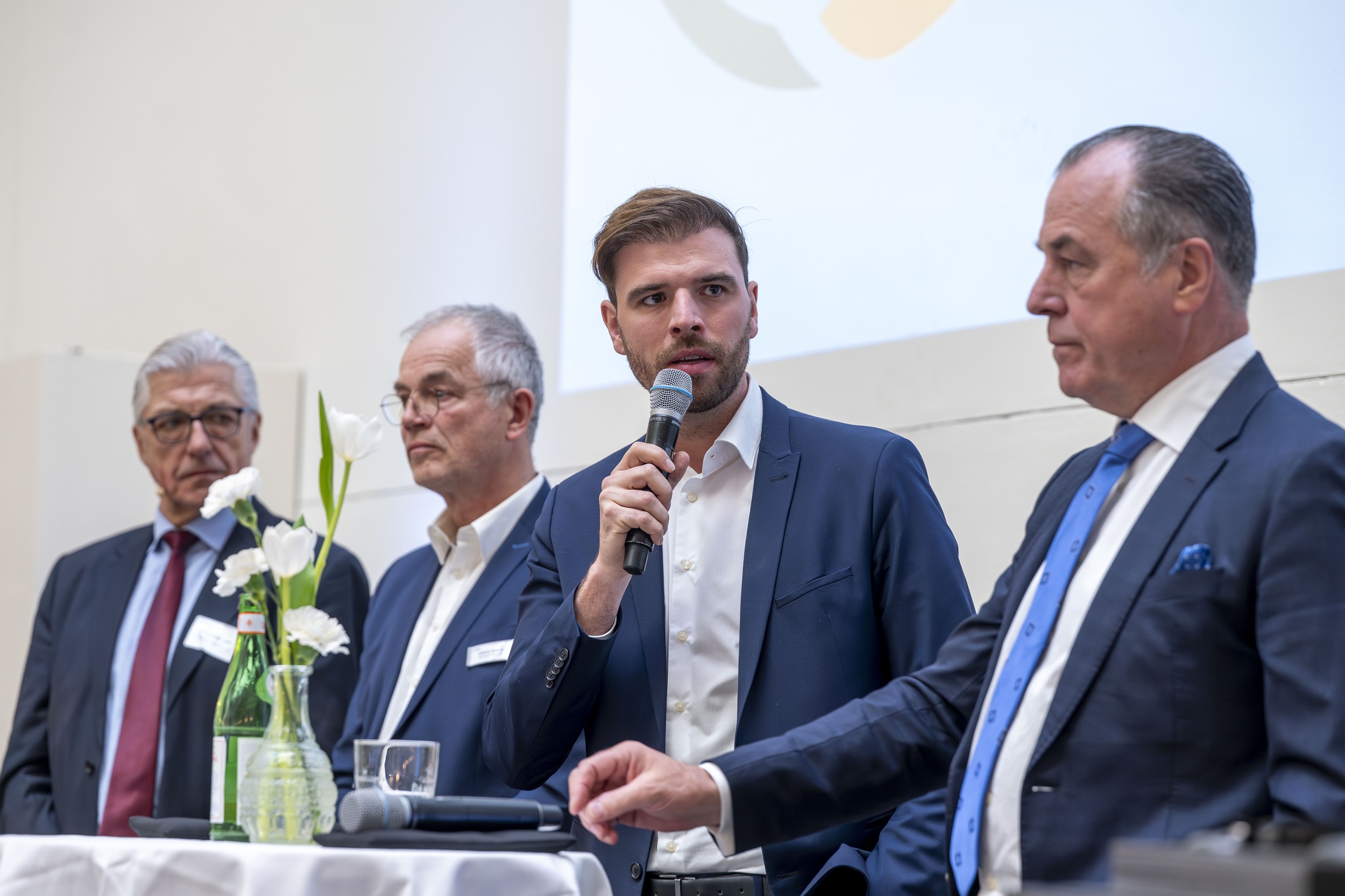
On the second day of the Tönnies Forschung Symposium in Berlin, discussions focused, among other topics, on current research projects supported by the non-profit organization. In addition, several scientists revisited and expanded on the themes of the previous evening in their expert presentations. All presentations and research results from Tönnies Forschung can be accessed here.
Photo gallery from the 7th Tönnies Forschung Symposium